

Mobile Shooting Range vs. Brick-and-Mortar: A Cost Breakdown
Building a brick-and-mortar shooting range involves more than the range itself. Property, site work, permits, construction, utilities, and interior improvements can all add to the total project cost.
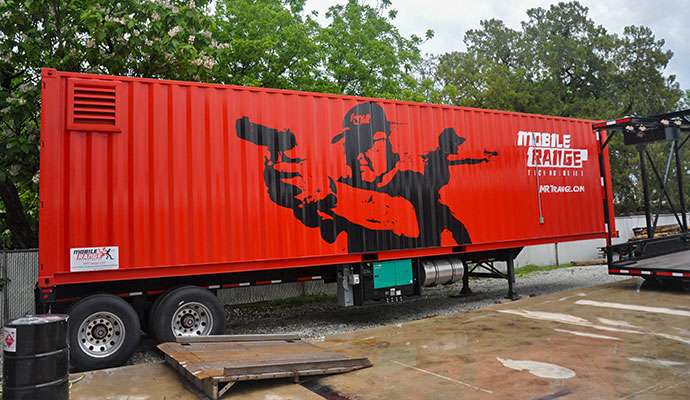
Mobile and modular shooting ranges offer an alternative that can reduce the need for new construction and provide greater flexibility in where a range is used. Mobile Range Technologies provides mobile, modular, and panelized range systems for a variety of applications. Here are the key costs to consider when comparing your options.
940-286-5251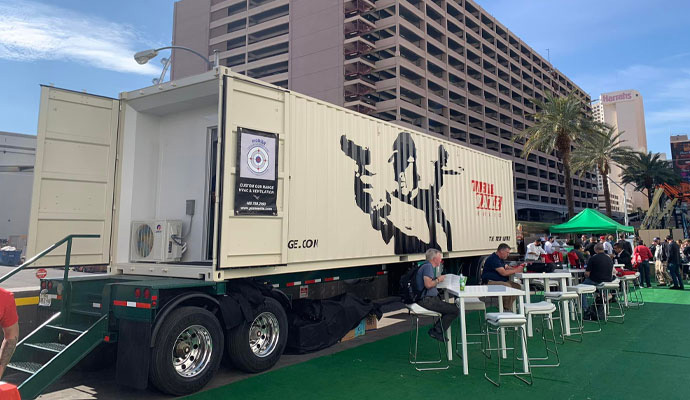
Real Estate Costs for Shooting Ranges
A brick-and-mortar shooting range requires a permanent location. Organizations may need to purchase or lease suitable property with enough room for the range, parking, access, and other requirements, tying the facility to that site.
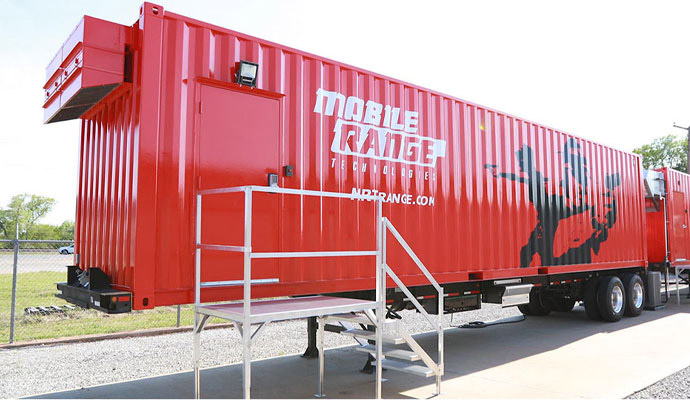
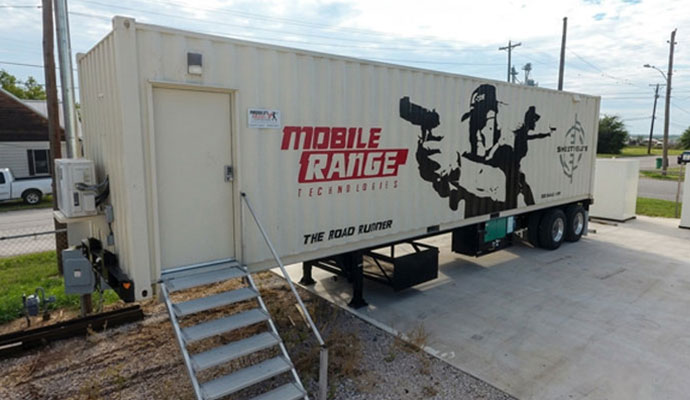
Mobile shooting ranges offer greater location flexibility. Trailer-mounted systems such as the Road Runner, Road King, and Double Road King can be placed at an appropriate site without requiring an organization to construct an entire range facility. For organizations with suitable property, this can reduce the need for additional real estate.
Zoning and Permitting Costs to Consider
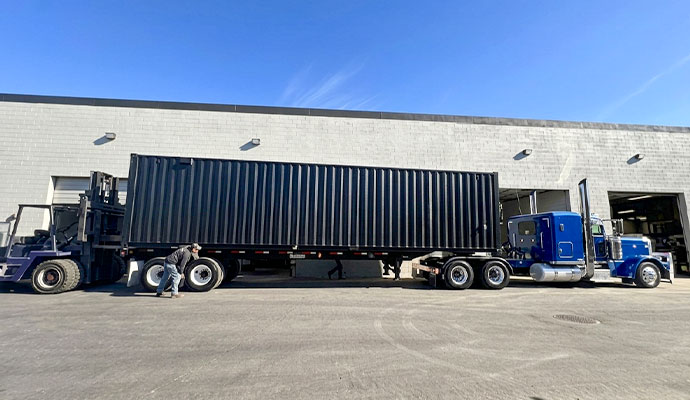
A new permanent facility may require zoning approvals, site plans, construction permits, inspections, and other local approvals. Requirements vary by location and can add time and expense to a project.
Mobile and modular ranges do not eliminate local zoning or permitting requirements. However, reducing the scope of new construction may also reduce the construction-related steps involved in the project.
Compare Construction and Build-Out Costs
A brick-and-mortar range can require significant site and building work, adding costs before the facility is ready for use. Common costs include:
- Site preparation
- Foundation work
- Structural construction
- Electrical and HVAC systems
- Interior construction
- Sound treatment
- Range infrastructure
Reduce Costs by Using an Existing Building
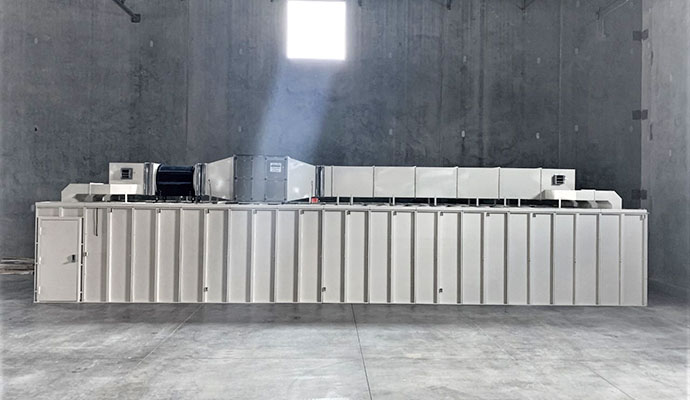
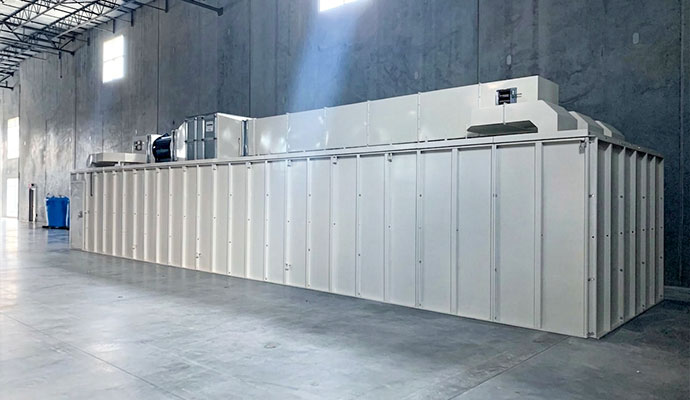
Organizations do not always need a new facility for an indoor range. Mobile Range Technologies' Panel Pro Series is designed for installation inside existing buildings. It offers 4 to 12 lanes and shooting distances from 10 to 100 feet.
Using an existing property can reduce the amount of new construction or renovation required, depending on the building and project requirements.
Plan for Future Range Needs and Flexibility
A permanent range stays tied to its location. Relocating or expanding it may require additional construction and investment. Trailer-mounted mobile ranges can be moved to another appropriate site when location needs change. Modular and panelized systems also provide options based on the available property and intended use.
Compare Mobile and Brick-and-Mortar Range Costs
| Cost Factor | Brick-and-Mortar | Mobile or Modular |
|---|---|---|
| Property | May require dedicated property | Can use an existing site |
| Construction | May require a new facility | Can reduce new construction |
| Renovation | May require extensive build-out | Can use existing buildings |
| Location | Generally permanent | Greater flexibility |
| Site Work | Depends on the project | Depends on the unit and site |
| Future Changes | May require more construction | Greater flexibility |
Actual costs vary based on location, site conditions, range configuration, utilities, permitting requirements, and selected features.
Which Range Is Right for Your Budget?
The best option depends on your property, training needs, capacity, and long-term plans.
A mobile range can be a good fit when location flexibility is important. A modular range can provide a dedicated system without the same type of ground-up construction, while a panelized range can work well in a suitable existing building.
A brick-and-mortar range may make more sense for organizations planning a large, permanent facility with additional rooms, retail areas, classrooms, or other requirements. The key is to compare the total project cost, not just the price of the range itself.
Explore Your Range Options with Mobile Range Technologies
Mobile Range Technologies provides mobile, modular, and panelized shooting ranges for different applications, properties, and training requirements.
The right range can help you balance your training needs with property, construction, and budget considerations. Contact us to discuss your project, explore available options, and get a quote.
Contact UsFrequently Asked Questions (FAQs)
How much does a mobile shooting range cost?
Are mobile shooting ranges cheaper than brick-and-mortar ranges?
Do mobile shooting ranges require permits?
Can a shooting range be installed in an existing building?
Are mobile shooting ranges easy to relocate?
